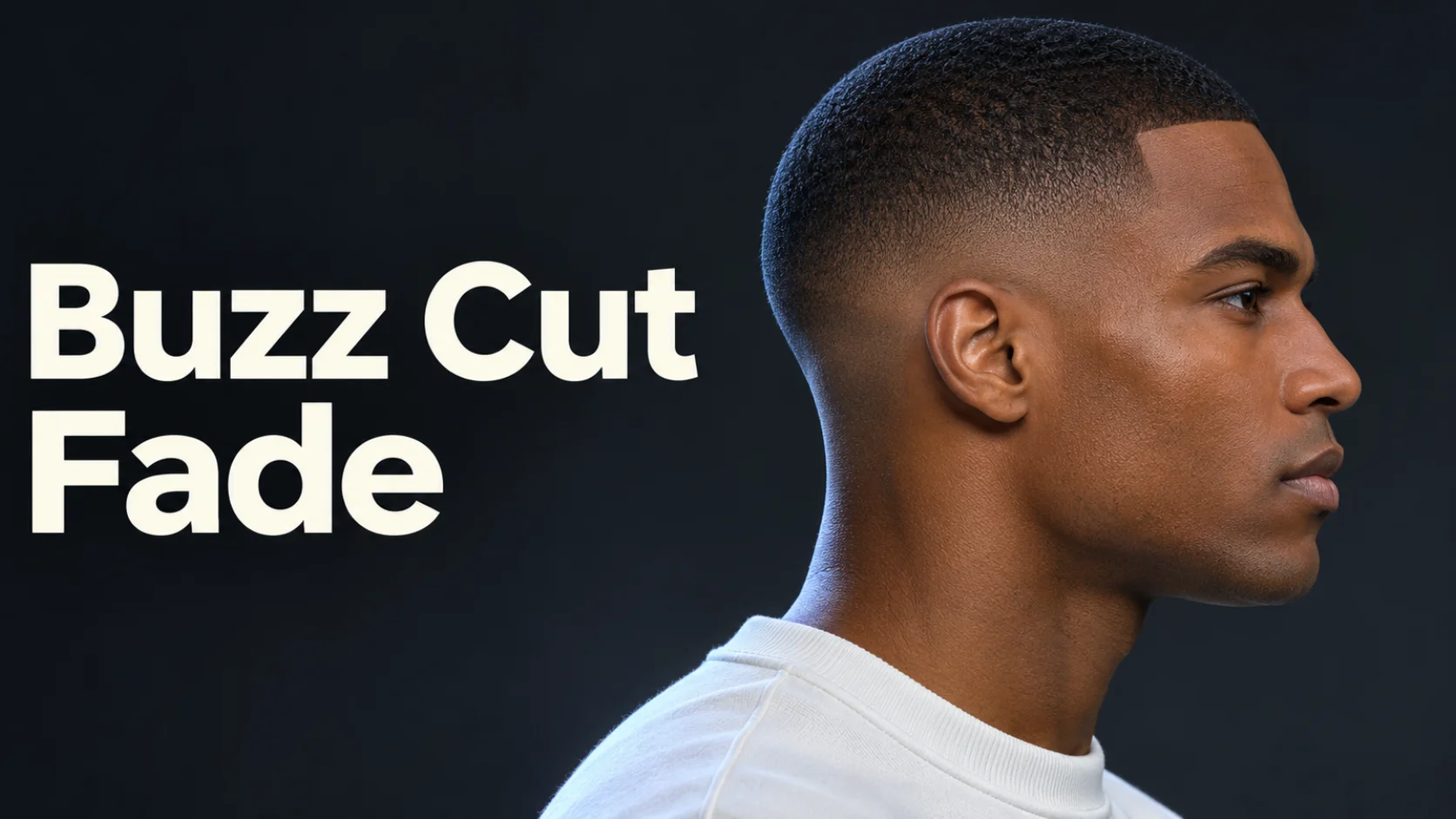
A buzz cut fade combines short, evenly clipped hair on top with gradually shorter sides and back. It gives you a clean outline without requiring complicated daily styling. The right combination of fade height, clipper guard, and hairline detail can make this classic haircut suit many personal styles.
Whether you prefer a subtle low fade or a sharp skin fade, understanding the options helps you get the result you want. This guide covers popular styles, guard lengths, face shapes, hair textures, barber instructions, and maintenance.
Buzz Cut Fade at a Glance
| Feature | Details |
|---|---|
| Haircut type | Short, evenly clipped top with faded sides |
| Popular top lengths | #1, #2, #3, and #4 guards |
| Fade options | Low, mid, high, skin, drop, and burst |
| Suitable hair types | Straight, wavy, curly, and coily |
| Daily styling | Minimal or none |
| Maintenance | Usually every 2–4 weeks, depending on the fade |
| Popular finishing details | Line-up, beard blend, and clean neckline |
Key Takeaways
- Low fades offer a subtle finish and softer grow-out.
- Mid fades provide a balanced appearance with moderate contrast.
- High fades create a bold look with shorter sides.
- Skin fades reach the scalp for maximum contrast.
- A #2 or #3 guard provides a useful starting point for many classic styles.
- Your head shape, hairline, and hair texture should influence your choice.
- Reference photos help communicate your preferred finish to your barber.
What Is a Buzz Cut Fade?
A buzz cut uses electric clippers to create short hair with a relatively uniform length on top. A fade changes the length around the sides and back, creating a gradual transition toward the neckline. Together, these techniques create a haircut that looks structured without needing much styling.
The main advantage is the contrast between the top and the faded perimeter. You can keep the top extremely short or leave extra length for a little texture. This flexibility makes the style suitable for casual outfits, athletic looks, and many professional settings.
9 Popular Buzz Cut Fade Styles
Each variation creates a different balance of contrast, coverage, and maintenance. Choose a style based on how noticeable you want the fade to look. Your barber can adjust the blend to complement your hairline and head shape.
1. Low Fade Buzz Cut
A low fade begins close to the ears and neckline. The transition stays relatively low, leaving more visible hair around the temples and upper sides. This creates a restrained appearance that works well for everyday grooming.
Choose this variation if you want a neat haircut without dramatic contrast. It also provides a softer grow-out than many higher fades. A #2 or #3 top can create a balanced starting point.
2. Mid Fade Buzz Cut
A mid-fade begins around the temple area or upper portion of the ears. It creates more contrast than a low fade while keeping the overall shape balanced. This makes it a practical choice if you want a noticeable but controlled finish.
You can pair it with a #2, #3, or #4 top. A shorter top creates a sharper look, while extra length leaves more visible coverage. Ask your barber to adjust the blend according to your preferred level of contrast.
3. High Fade Buzz Cut
A high fade begins above the temples and removes more length from the sides. The result creates a strong separation between the top and lower sections. It is a good option if you prefer a bold, defined haircut. This variation can make the top of your head look more prominent.
A #2 or #3 top helps preserve a little contrast without making the haircut overly severe. Keep in mind that higher fades can show regrowth more quickly.
4. Skin Fade Buzz Cut
A skin fade gradually blends the sides down to bare skin. It creates a crisp finish and makes the short top stand out clearly. You can combine this finish with a low, mid, or high fade. Choose a skin fade if you enjoy sharp edges and strong contrast. It generally needs more frequent barber visits than a softer guard-length fade. If close shaving irritates your skin, discuss a zero-guard alternative.
5. Taper Fade Buzz Cut
A taper gradually shortens the hair around the sideburns and neckline. Unlike a full fade, it leaves more of the surrounding side hair untouched. This creates a natural transition without removing as much length.
It suits people who prefer understated grooming. You can pair it with a short, even top or a slightly longer version. A taper is also worth considering if you want a softer appearance between appointments.
6. Drop Fade Buzz Cut
A drop fade curves downward behind the ears instead of following a straight horizontal path. This creates a rounded outline that follows the natural shape of your head. The result adds detail without requiring longer hair on top.
It works particularly well if you want a more distinctive back profile. Ask your barber to show you the intended curve before cutting. This helps avoid a transition that sits higher or lower than you expected.
7. Burst Fade Buzz Cut
A burst fade creates a semicircular blend around the ears. The fade concentrates on the area surrounding each ear rather than following the same height around the entire head. It gives a short haircut a more customized shape.
This variation works with different top lengths and hair textures. Curly hair can provide additional visual texture above the rounded blend. You can also combine the cut with a clean line-up.
8. Buzz Cut With a Line-Up
A line-up uses precise edging around the forehead, temples, and sometimes the sideburns. It creates a more defined hairline and makes the overall haircut appear sharper. You can add this detail to low, mid, high, or skin fades.
This option works well if you prefer a crisp finish. Your barber should follow your natural hairline rather than forcing an artificial shape. A natural-looking edge often grows out more attractively.
9. Buzz Cut Fade With a Beard
Combining a short top with a faded beard creates a connected grooming style. The barber can blend the sideburn area into the beard for a consistent transition. This helps create definition around the cheeks and jawline.
The beard length should complement your haircut rather than compete with it. A short beard creates a clean appearance, while fuller facial hair adds contrast. Ask for the sideburn blend to match your preferred beard shape.
Choosing the Right Fade Height
Fade height determines where the hair begins transitioning into shorter lengths. It affects the amount of contrast and the overall outline. The following comparison makes the main differences easier to understand.
| Fade type | Starting point | Appearance | General upkeep |
|---|---|---|---|
| Low | Near the ears | Subtle and understated | 3–4 weeks |
| Mid | Around the temples | Balanced contrast | 2–3 weeks |
| High | Above the temples | Bold and noticeable | 2–3 weeks |
| Skin | Depends on fade height | Sharp, exposed-skin finish | 1–2 weeks |
| Taper | Sideburns and neckline | Natural and soft | 3–4 weeks |
These intervals are practical estimates, not fixed rules. Your hair growth rate and preferred level of sharpness will affect appointment timing. A barber can recommend a schedule based on your chosen finish.
Which Clipper Guard Should You Choose?
Clipper guard numbers help communicate how much hair you want to leave on top. A higher number generally leaves more length. Remember that guard measurements can vary slightly between clipper systems.
| Guard number | Approximate hair length | General appearance |
|---|---|---|
| #1 | 1/8 inch | Extremely short |
| #2 | 1/4 inch | Close and clean |
| #3 | 3/8 inch | Short with more coverage |
| #4 | 1/2 inch | Fuller buzzed appearance |
| #5 | 5/8 inch | More visible length |
| #6 | 3/4 inch | Longer, textured appearance |
A #2 or #3 provides a useful starting point if you want a traditional short top. Choose a #4 or longer guard if you prefer additional coverage. Ask your barber to confirm the length before removing hair.
How to Choose a Style for Your Face Shape
Your face shape can help guide the placement and height of your fade. However, it should not be the only factor in your decision. Hairline shape, head proportions, personal taste, and hair density also influence the final result.
- Round face: Consider a mid or high fade for additional vertical contrast.
- Square face: A low or mid fade can complement a defined jawline.
- Oval face: Most fade heights can work, depending on your preferred appearance.
- Long face: A lower fade can preserve more visual width around the sides.
- Heart-shaped face: A moderate fade can help balance a narrower chin.
These suggestions are starting points rather than strict styling rules. Ask your barber to consider your natural proportions before selecting a blend. A reference photo with similar proportions can make the consultation more useful.
Best Options for Different Hair Types
Hair texture changes how a short haircut looks after clipping. The same guard number can create different visual results on straight, wavy, curly, and coily hair. Your barber should consider density and natural growth patterns before choosing the final length.
Straight Hair
Straight hair creates a clean, consistent appearance with an even top. A low or mid fade provides a balanced outline without too much contrast. A line-up can add definition if you prefer sharper edges.
Wavy Hair
Wavy hair can retain some natural movement with a longer top. A #3 or #4 guard may preserve more visible texture. A mid or drop fade can add structure around the sides.
Curly Hair
Curly hair can create a textured appearance even at shorter lengths. Leaving additional length on top helps maintain some visible curl definition. A low, mid, or burst fade can complement this texture.
Coily Hair
Coily hair can create a distinctive, close-cropped finish. A clean fade helps define the perimeter while preserving the natural texture. If you experience irritation from close shaving, ask about leaving a small amount of hair rather than using a razor.
How to Ask Your Barber for the Right Haircut
Clear instructions help prevent misunderstandings during your appointment. Instead of asking for a generic fade, explain the top length, fade height, and bottom finish. Bring a reference photo showing the front, side, and back whenever possible.
Use these five steps when discussing your haircut:
- Choose the top length: Specify a #2, #3, #4, or another guard.
- Select the fade height: Tell your barber whether you prefer low, mid, or high.
- Choose the finish: Explain whether you want a skin fade or guard-length blend.
- Discuss the hairline: Request a natural edge or a defined line-up.
- Confirm the back: Explain whether you prefer a rounded, straight, or drop-shaped finish.
A useful barber request might sound like this: “I want a #3 on top with a mid skin fade, a natural front hairline, and a clean neckline.” Adjust the numbers and details to match your preferred result. Your barber can suggest small changes before starting the cut.
Maintenance Tips for a Fresh Appearance
Short haircuts are easy to style, but their edges can lose definition as new growth appears. A consistent grooming routine helps preserve the original shape. The exact schedule depends on how quickly your hair grows and how sharp you want the finish.
- Schedule regular trims: Consider a touch-up every two to four weeks.
- Clean the neckline: Remove stray hairs when needed, without changing the original shape.
- Keep your scalp moisturized: Use a suitable lightweight moisturizer if your skin feels dry.
- Protect exposed skin: Shorter hair provides less coverage from sunlight.
- Use gentle grooming tools: Keep personal clippers clean and avoid pressing too hard.
- Watch for irritation: Avoid aggressive close shaving if you develop bumps or discomfort.
Dermatologists recommend broad-spectrum, water-resistant sunscreen with SPF 30 or higher. Apply it to exposed scalp areas when spending time outdoors. Choose a sunscreen that is labeled broad-spectrum and water-resistant, and reapply it as directed.
If you experience razor bumps, shaving technique matters. Dermatologists recommend shaving in the direction of hair growth to reduce irritation. If bumps keep returning, switch to clippers or ask your barber about a guard-length finish.
Common Mistakes to Avoid
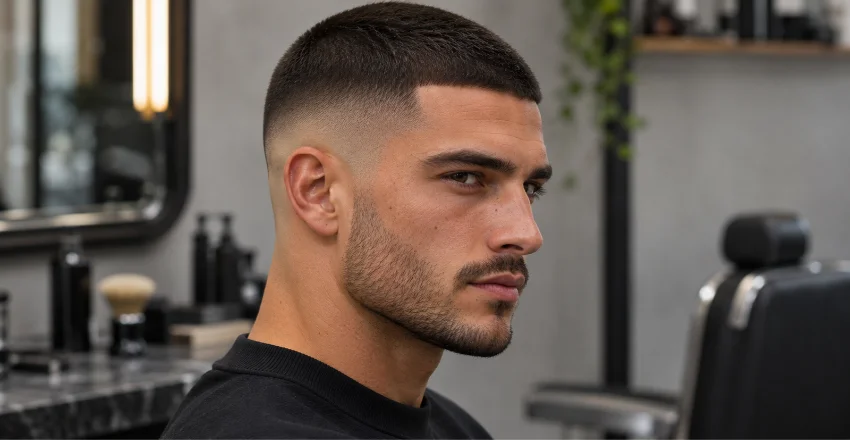
Even a simple haircut can look different from what you expected if the instructions are unclear. Small decisions about length and fade placement make a noticeable difference. Discuss these details before your barber starts cutting.
- Choosing a fade height without checking where it begins.
- Going too short on top without considering your preferred coverage.
- Requesting a skin finish when you actually want a softer taper.
- Ignoring the natural shape of your hairline.
- Forgetting to explain how you want the neckline finished.
- Choosing a style that requires more frequent upkeep than your schedule allows.
A reference photo helps avoid several of these problems. Make sure the image shows the fade from an angle similar to your desired result. Explain which details you want to keep and which you want changed.
Frequently Asked Questions
What is a buzz cut fade?
It is a short haircut with an evenly clipped top and gradually shorter sides and back. The fade can finish at a short guard or bare skin. You can customize its height to create a subtle or bold appearance.
Which fade looks best with a buzz cut?
A mid fade offers a balanced option for people who want moderate contrast. A low fade suits those who prefer a softer appearance. A high or skin fade works well if you want a sharper outline.
What guard number should I use for a buzz cut fade?
A #2 or #3 is a useful starting point for a classic short top. A #4 leaves more coverage and visible length. Your preferred appearance and hair density should guide the final choice.
Is a buzz cut fade suitable for thinning hair?
A short, even top can reduce the contrast between longer hair and thinner areas. A carefully selected fade may also create a tidy overall appearance. Ask your barber to assess your hairline and coverage before choosing a guard.
How often should I get a buzz cut fade?
Many people schedule a trim every two to four weeks. Skin fades usually need more frequent touch-ups to maintain their sharp appearance. Softer low fades and tapers can often grow out more gradually.
Can I get this haircut with curly or coily hair?
Yes, the style can work with curly and coily textures. Your barber can adjust the top length and blend to complement your natural growth pattern. Discuss any history of shaving irritation before requesting a skin finish.
Is a buzz cut fade professional?
A neat, well-maintained version can suit many professional environments. A low or mid fade creates a more understated appearance than an extremely high skin fade. Always consider your workplace’s grooming requirements.
Can I maintain a buzz cut fade at home?
You can use guarded clippers to maintain the top length between appointments. Creating an even fade around the back and sides takes more practice. Many people leave detailed blending and line-ups to a professional barber.
Final Thoughts
A short haircut can be simple without looking plain. Choosing the right top length, fade height, and finishing details gives you control over the final appearance. Start with a style that matches your grooming routine and the amount of contrast you enjoy.
Before your next appointment, save two or three reference photos and discuss the guard numbers with your barber. Confirm the fade height and neckline before the clippers come out. With a clear plan and regular maintenance, you can keep your haircut looking neat and consistent.